Fishing in Myrtle Beach

Grab Your Next Big Catch at The Beach

From casting a line off a pier to heading miles offshore in search of trophy fish, Myrtle Beach makes it easy to get out on the water—no matter your experience level.

Whether you're planning a laid-back afternoon with the kids or a full-day deep sea adventure, here’s exactly how to make it happen. Whatever your idea of a good day fishing, it’s waiting here for you.


Choose Your Experience

Not sure where to start? Here’s a quick breakdown of the most popular ways to fish in the Myrtle Beach area:
Pier Fishing
Great for families
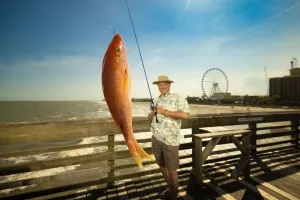
The easiest way to get started. No license required, and most piers offer rod rentals, bait, and everything you need on-site.
Surf Fishing
Flexible, low cost
Cast directly from the shoreline for a flexible, low-cost experience. Ideal if you already have gear or want a quieter setup away...
Inshore Fishing
Fresh or salt water
Fish calm waters like the Intracoastal Waterway or local inlets with a guide. Known for redfish, trout, and flounder.
Deep Sea Fishing
Half-Full Day
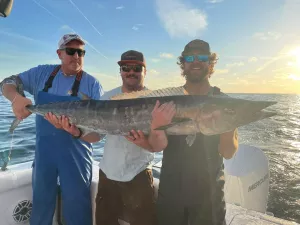
Head offshore for bigger catches like mahi-mahi, tuna, and king mackerel. Trips range from half-day to full-day excursions. The...

Frequently Asked Questions

Do I need a fishing license?

You don’t need a license when fishing from a public pier or a licensed charter boat. A license is required for surf fishing or fishing from your own boat in saltwater. Children under 16 are also exempt.

Learn more

What kind of fish can I catch in Myrtle Beach?

There’s a wide variety of fish depending on where and when you go:

  • From piers and the shore: Whiting, croaker, flounder, and spot-tail bass
  • Inshore waters: Redfish, speckled trout, and sheepshead
  • Offshore: King mackerel, mahi-mahi, wahoo, and tuna

What's the best time of the year to fish in Myrtle Beach?

Fishing is productive year-round, but some seasons stand out:

  • Spring (March–May): Great variety and ideal conditions
  • Summer (June–August): Peak offshore fishing season
  • Fall (September–November): Excellent for flounder and inshore fishing
  • Winter (December–February): Strong for redfish and black drum

What's the best pier for fishing?

It depends on what you’re looking for. Apache Pier is the longest on the East Coast, Garden City Pier is known for its atmosphere and consistency, and Springmaid Pier is a favorite for variety and accessibility. Surfside Fishing Pier re-opened in 2024 after a complete rebuild and is another favorite in the area.

How much does it cost to fish from a pier?

Most piers charge a daily fishing fee, and many offer rod rentals and bait for an additional cost. Pricing varies by location, so it’s best to check with the individual pier before you go. Here is what to generally expect:

  • Daily fishing passes: typically $6–$12 per person
  • Walking access (no fishing): usually $1–$2
  • Rod rentals: about $8–$10 per rod
  • Bait: around $5+ depending on type

Can kids go fishing?

Absolutely. Pier fishing is one of the easiest and most family-friendly options, and kids under 16 don’t need a fishing license. Most piers also offer rentals, so you don’t need to bring your own gear.

How much does a fishing charter cost?

Pricing depends on the type and length of trip:

  • Inshore trips: Typically $300–$500 for a small group
  • Offshore trips: Usually $800–$1,500+ depending on duration

Many charters also offer per-person pricing for shared trips. Check out Crazy Sister Marina or Express Watersports on the south end.

Grand Strand Fishing Rodeo

One of the longest running tournaments in the Southeast, the Grand Strand Fishing Rodeo is held annually from November 1st and continues monthly through October.

For more information on rules, registration and prizes, click the button below. 
Fishing License Information

You do not need a fishing license when fishing on a public pier, on a licensed fishing charter, or on a privately owned freshwater pond. Children under the age of 16 do not need a fishing license unless engaged in commercial fishing.

You do need a fishing license if fishing from shore or in a non-charted boat in saltwater.