Uncover the Revolutionary Spirit of the Grand Strand
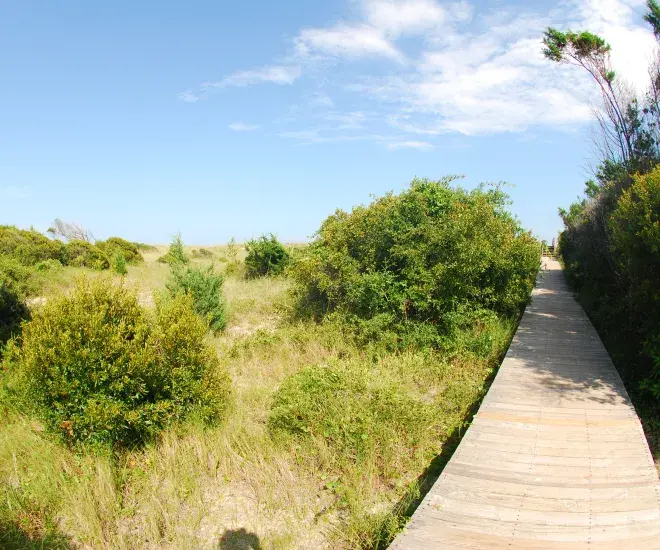
Uncover the Revolutionary Spirit of the Grand Strand
Exploring SC250 Through Horry and Georgetown County History
When most people think of the American Revolution, they picture famous battlefields or crowded Northern cities. But along South Carolina’s northern coast, the fight for independence looked radically different. It was scrappy. It was local. It was shaped by swamps, winding rivers, rice plantations, and tight-knit communities who knew the land better than the forces trying to control it.
As South Carolina celebrates SC250, the 250th anniversary of our nation’s founding, it’s the perfect moment to explore how the Myrtle Beach region played a surprisingly powerful—and often overlooked—role in the war for independence. Horry and Georgetown Counties weren’t defined by large-scale clashes. Their story is one of grit, strategy, shifting loyalties, and geography that refused to be ignored.
This is the Southern Campaign told at ground level.
Where the Story Comes Alive
These standout historic sites anchor the region’s Revolutionary narrative and give visitors a direct connection to the past.
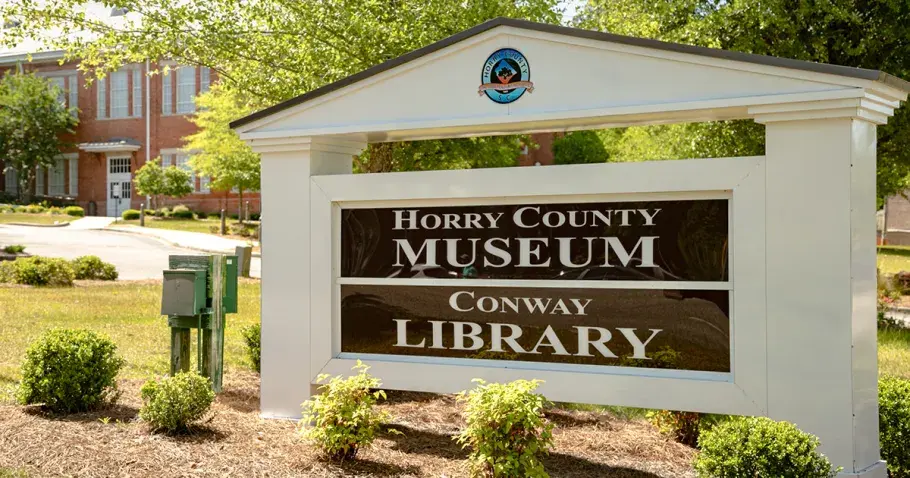
Horry County Museum – Conway
This museum is the heart of Revolutionary War interpretation for the region. Exhibits highlight daily life, militia culture, and the environmental challenges early residents faced—long before independence was achieved. It’s a must-see for anyone wanting to understand the people behind the Patriot cause.
Old Horry County Courthouse – Historic Downtown Conway
Timeless and striking, this historic courthouse offers an authentic backdrop for exploring how early governance, civic debate, and community identity evolved during the Revolution. Standing on its steps, it’s easy to imagine the tension and determination that filled the era.
Mansfield Plantation – Georgetown
One of the most intact 18th-century rice plantations in the South, Mansfield Plantation provides a powerful window into the economic and social structures that shaped this region during the war. Its riverside setting and preservation make it one of the most atmospheric historic sites in South Carolina.
Together, these three locations form the core of the area’s Revolutionary story.
A Region Shaped by Water, Wilderness, and Rebellion
Here, the Revolution wasn’t defined by massive battles—it was shaped by terrain and tactical genius.
The rivers and waterways—Waccamaw, Little River, Santee—were the true highways of the era. Local Patriot leaders like Peter Horry and the legendary Francis Marion, the “Swamp Fox,” mastered these natural corridors, using them for quick strikes and rapid disappearances into the lowcountry’s tangled swamps.
One of the period’s most daring moments unfolded in 1781, when Marion and “Light Horse Harry” Lee launched a bold raid on British-occupied Georgetown. Small in scale but huge in impact, it rattled the occupying forces and energized Patriot support across the region.
This is the story of underdogs, improvisers, and people who knew that their land was their advantage.
More Revolutionary Sites Worth Exploring
These additional stops bring depth and color to the Revolutionary story of the Grand Strand.
In Horry County
Little River & Little River Neck – An active early hub of Continental troop movement with ties to the Marion family.
Bear Bluff – Setting of a fierce 1781 clash between Patriot and Loyalist forces.
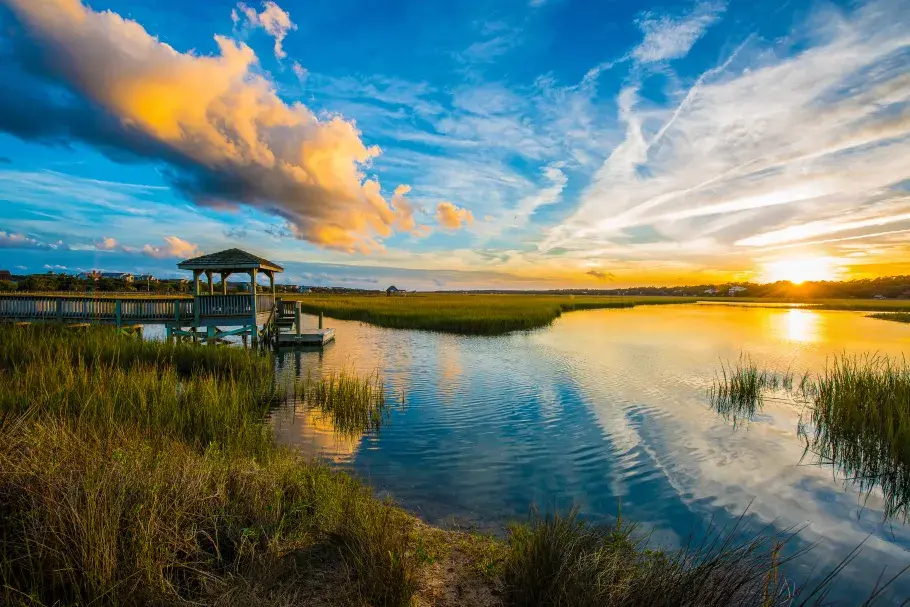
Waccamaw River Corridors – Cypress groves, marshes, and blackwater channels that influenced every move made during the war.
In Georgetown County
Georgetown Waterfront & Harborwalk – A scenic port setting tied directly to the 1781 Patriot raid, rich with maritime character.
Hopsewee Plantation – Birthplace of Declaration signer Thomas Lynch Jr., offering insight into elite Revolutionary-era families.
Hampton Plantation – Connected to Col. Daniel Horry and stories of refuge, unrest, and resilience during the conflict.
Each site adds a different dimension—from militia tactics to plantation life to the daily challenges of living on the edge of a war zone.
Seasonal Insights for History Lovers
Timing shapes the experience when you’re exploring these landscapes firsthand:
Spring through fall most closely mirrors the lush vegetation early Patriots and Loyalists would have known.
Late fall and winter bring stunning fog, mist, and soft atmospheric light—perfect for photography or peaceful historic wandering.
The region’s rivers, swamps, and marshes transform with the seasons, offering a fresh perspective year-round.
Why This Story Still Matters
South Carolina’s coast preserves one of the most dynamic Revolutionary narratives in the nation. It isn’t about grand armies sweeping across open fields—it’s about everyday people navigating loyalty, danger, survival, and the wildness of a landscape that shaped every decision.
In Horry and Georgetown Counties, you can still stand where that story unfolded:
along the rivers that served as lifelines for Patriot militias,
at plantations that reveal the era’s complex social fabric,
on port-town streets once targeted by daring raids,
and in historic Conway, where community identity took shape long before statehood.
As SC250 invites us to reflect on the origins of American independence, the Myrtle Beach area offers a powerful reminder: the Revolution was fought not just in famous places, but in small towns, swamps, and river communities that reshaped the course of history.
This is Revolutionary South Carolina—seen through the landscapes that lived it.
More Ways to Explore the Grand Strand’s Rich History
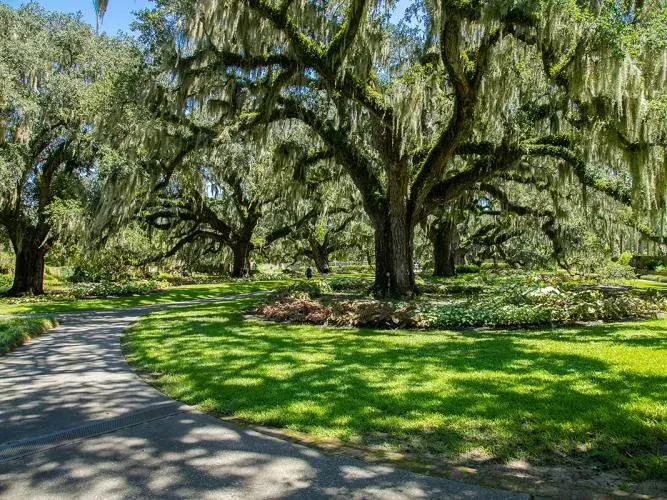
If you’re hungry for even more South Carolina history, the Grand Strand delivers well beyond the Revolutionary era. Sites like Brookgreen Gardens, with its preserved rice fields and centuries-old live oaks, offer a striking look at the region’s plantation past and the evolution of coastal life. Huntington Beach State Park blends natural beauty with the Moorish-inspired Atalaya Castle, a 20th-century landmark with stories of art, conservation, and coastal resilience. In downtown Myrtle Beach, the Historic Myrtle Beach Colored School Museum shares an essential chapter of local educational and cultural history, while the L.W. Paul Living History Farm in Conway brings early 20th-century rural life into vivid focus through hands-on demonstrations. Each of these stops invites visitors to explore how this region has grown, adapted, and reinvented itself over time—making them perfect add-ons for travelers seeking depth, authenticity, and a deeper connection to the coastal South.

We are the area's official online vacation guide which offers everything you need to plan a perfect vacation to the Myrtle Beach Area. Plan your stay online and choose from a wide assortment of accommodation options including Myrtle Beach hotels, resorts, small motels, condos, beach homes, and additional types of vacation rentals. From oceanfront resorts along the entire Grand Strand to cozy beach homes and vacation rentals in North and South Myrtle Beach, including Surfside Beach and Garden City, find the amenities and location perfect for you.