Understanding Autism: Simple Ways to Offer Support and Build Inclusion
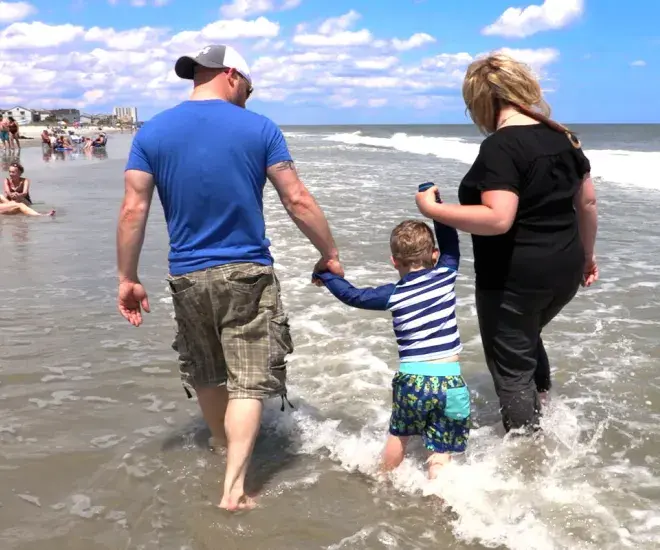
A welcoming experience can begin with something small: clear directions, time to respond or the option to take a break. Whether you’re spending time with a friend, welcoming a guest or planning a Myrtle Beach vacation, understanding someone’s preferences can help make the experience more comfortable.
Supporting autistic people starts with listening, respecting differences and making room for individual needs.
Start With the Person
Autism is a lifelong developmental disability. Every autistic person has their own interests, strengths, challenges and support needs. Some people need substantial daily assistance; others need support in particular situations. Broad labels rarely explain what will help an individual.
Language preferences also vary. Some people prefer “autistic person,” while others prefer “person with autism.” When someone shares their preference, follow their lead. Autism Central explains why individual preferences matter.
The same approach applies to everyday interactions. Ask what makes an outing enjoyable, how someone prefers to communicate and whether they would like assistance. Include autistic children and adults in decisions about their own experiences.
Make Communication Easier
Communication can take many forms, including speech, writing, gestures, pictures and communication devices. Give people room to use the method that works for them.
A few helpful habits include:
- Be specific. “We’ll meet beside the front entrance at 2 p.m.” gives clearer information than “We’ll meet over there later.”
- Allow time to respond. Pause before repeating a question or adding more information.
- Offer another format. Written directions, a menu or a picture may make information easier to understand.
- Respect different interaction styles. Avoid requiring eye contact or interpreting limited eye contact as a lack of interest.
Communication is a shared responsibility. Adjusting how you explain something can help everyone participate. The National Autistic Society’s communication guide offers more information about communication differences and support.
Understand Sensory Differences
Sounds, lights, smells and textures can feel very different from one person to another. Some autistic people find certain sensations overwhelming or painful. Others enjoy or seek out particular sensory experiences.
A busy restaurant, for example, may combine music, conversations, kitchen smells and bright lighting. At the beach, sunlight, wind and the feel of sand may be enjoyable for one person and uncomfortable for another.
Ask about preferences rather than assuming every autistic person wants the same environment. Depending on the individual, useful options might include quieter seating, familiar sensory tools or a break from an activity. Sensory needs can also change with the setting or how someone is feeling. Learn more about sensory differences from the National Autistic Society.
Make Plans Clear—and Leave Room to Adjust
Before an outing, consider sharing a simple outline: where you’re going, what you’ll do and when you expect to leave. Photos, menus or a map can help someone explore an unfamiliar place beforehand.
Invite the person to help choose activities. Ask what they’re looking forward to and what they would prefer to skip.
For a vacation day, you might plan one main activity and leave time afterward for rest or another choice. Before buying tickets, consider asking:
- Are there quieter times to visit?
- Does the experience include sudden sounds, flashing lights or unexpected touch?
- Is there somewhere to take a break?
- Can guests leave and return?
- Where can we find information about available accommodations?
If plans change, explain what is changing and what will happen next. Predictability and flexibility can work together.
Respond Calmly When Someone Is Overwhelmed
A meltdown is an involuntary response to an overwhelming situation. Some people may also become quiet or withdraw when overwhelmed.
If someone is distressed, reduce demands and give them space. Where possible, lower nearby noise or offer access to a quieter area. Keep questions brief, allow time for a response and avoid drawing a crowd.
If you’re a bystander, a simple offer of practical help may be useful. Respect the person’s response and privacy. The National Autistic Society’s guidance on meltdowns explains how patience, space and reduced stimulation can help.
Offer Support That Fits
Friends, relatives and community members can make inclusion more practical by offering specific choices.
For example:
- “Would you like to see the menu before we choose a restaurant?”
- “Would a shorter visit work better?”
- “Would you prefer to meet somewhere familiar?”
- “Would you like help checking the details before we go?”
Keep extending invitations, even when someone declines or leaves early. Make space for people to participate in ways that work for them.
Find Autism-Friendly Planning Resources in Myrtle Beach
For local planning information, start with Visit Myrtle Beach’s Autism-Friendly Vacation Guide. It includes information about local resources and Champion Autism Network.
You can also explore sensory-friendly attractions and related planning articles.
Use these resources to identify possibilities, then contact individual businesses about the accommodations that matter to you. Ask what “sensory-friendly” includes for that particular experience, and confirm availability before visiting.
A welcoming trip begins with listening. Let each person’s interests, comfort and preferences help shape the day.

Leslie Perkins grew up outside of Raleigh, North Carolina but has lived in Myrtle Beach since 2016. She graduated from East Carolina University in 2012 with a B.A. in Public Relations and Communication. Leslie is an active realtor, mother of three, autism advocate, and adoption advocate. She enjoys exploring the Low Country with her kids, walking her golden retriever, and sipping a great cup of coffee on her front porch.