Flying with Autism
A Few Tips to Make Flying Easier
When there is autism in a family, it can be daunting to think about taking a vacation. The unfamiliar routines, busy airports, security lines and crowded planes can feel overwhelming. But with a little preparation, there are things you can do to help make the experience more comfortable.
You have probably had plenty of experience driving with your child. I bet you’ve prepped your car with all the essential tools and snacks to avoid meltdowns. It’s like a well-rehearsed drill. Flying to a destination can pose new challenges.
I remember the first time we flew, from Virginia to Hawaii, with my two-year-old. The looks on people's faces showed resignation, worry and fear that there might be a screaming child on this 11-hour flight.
What they did not know was that being on an airplane was very comforting for my child. He loved getting time with mom, hugging and snoozing. The airplane provided tons of white noise to drown out stressors. We also brought his car seat, which held him snugly and provided constant deep pressure. Never once did he scream in fear or discomfort. By mid-flight, he had made friends, and adults were taking turns walking him down the aisle or just holding him.
He had changed their minds about traveling with a toddler!
Of course, my experience won’t be everyone’s, and each person with autism has different needs. But there are a few things you can do before and during the flight that might make the experience go more smoothly.
Before You Reach Airport Security
For me, the most stressful part of an airport is often security. Everyone is trying to get somewhere, lines can move quickly and the process may feel unfamiliar.
A few things may help:
- Have boarding passes and identification organized and easy to reach.
- Consider checking larger bags so you have fewer items to manage through security.
- While one person handles bags or check-in, find a quieter place where your family can sit, move around or have a snack.
- Before entering the security line, explain what is going to happen. Talk about showing identification, putting belongings on the conveyor belt and walking through screening.
- If your child can read or enjoys signs and maps, involve them in finding the security entrance or identifying what comes next.
- Remind your child that belongings placed in a bin will come back on the other side.
Travelers with disabilities, medical conditions or other special circumstances can also contact TSA Cares before their trip. TSA recommends contacting the program at least 72 hours before travel to request assistance at the security checkpoint, including help from a Passenger Support Specialist when available.
Families who travel frequently may also want to consider TSA PreCheck to help simplify the screening process.
What to bring on the plane
Carry familiar items that help your child feel comfortable. These might include fidget toys, a favorite plush toy, a pillow or blanket, noise-canceling headphones, a tablet or gaming device and familiar snacks.
Keep important items such as medications, identification, diapers or other personal care supplies and a change of clothes in your carry-on rather than checked luggage.
It can also help to carry emergency contact information in your bag.
Chewing gum or another familiar chewing item may help some travelers manage changes in ear pressure during takeoff and landing.
Choose Seats That Work for Your Family
Where you sit can depend on your family's needs.
If you think you may want to exit quickly, seats toward the front may be helpful. Our family preferred sitting toward the back and allowing other passengers to leave first. That reduced the rush of people grabbing bags and moving through the aisle, and it also placed us closer to the restroom.
Think about what will make your family most comfortable rather than what works best for other travelers.
Give Yourself Time After Landing
Once you have landed, take a few minutes before rushing to the next step. Locate a restroom if needed, gather your belongings and give everyone a moment to regroup.
If your child enjoys maps, signs or directions, ask them to help locate baggage claim or identify where you need to go next. Turning the next step into a small task or game can provide a useful distraction from the activity around you.
The most helpful air-travel habit I have found is simply to allow plenty of time for transitions.
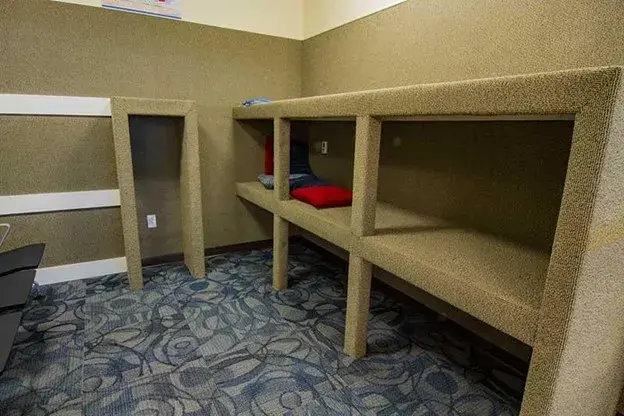
Use the Quiet Room at Myrtle Beach International Airport
Myrtle Beach International Airport offers a Quiet Room for travelers with special needs who need a place to destress.
Located in the baggage claim area, the room provides a quieter environment where families can pause and regroup before continuing their journey. Look for Room #171, call 843-839-7372 or ask an Airport Ambassador for assistance.
MYR also offers additional accessibility resources for travelers with disabilities and sensory needs.
For more information, visit Myrtle Beach International Airport's accessibility resources before your trip.
Happy travels, and we’ll see you at The Beach!

Rebecca Jeffreys is an autism mom, dog lover and former classical musician. She is the author of You Were Made for This: Finding Courage and Intuition for Raising a Child with Autism. In addition to writing, Rebecca was on the staff of Champion Autism Network, where she helped support autism awareness and acceptance. Rebecca has lived in Alabama, Maryland, Virginia, New York and Massachusetts, but the South won her heart, and she settled in Myrtle Beach in 2021.
She and her family enjoy the beach life and visit local restaurants on a regular basis.